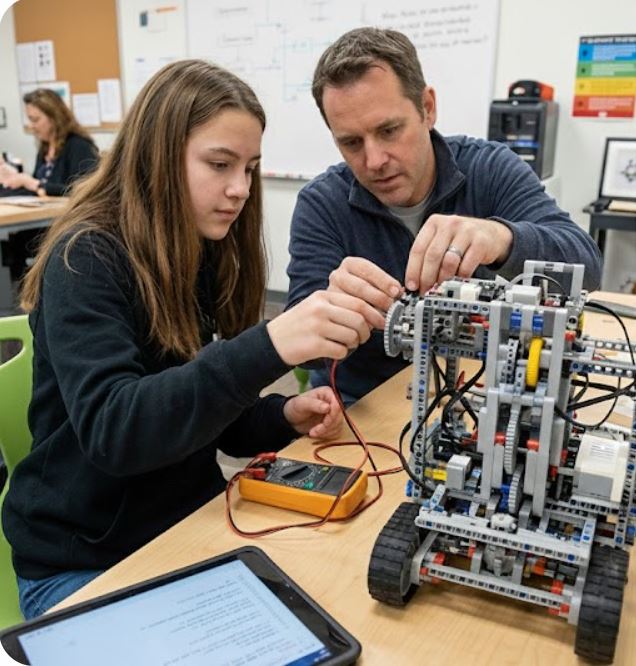
Tinkerer
Identity Statement: "I am capable and hands-on."
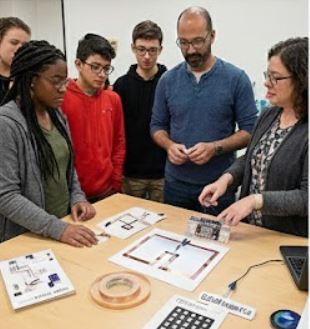
Pathfinder
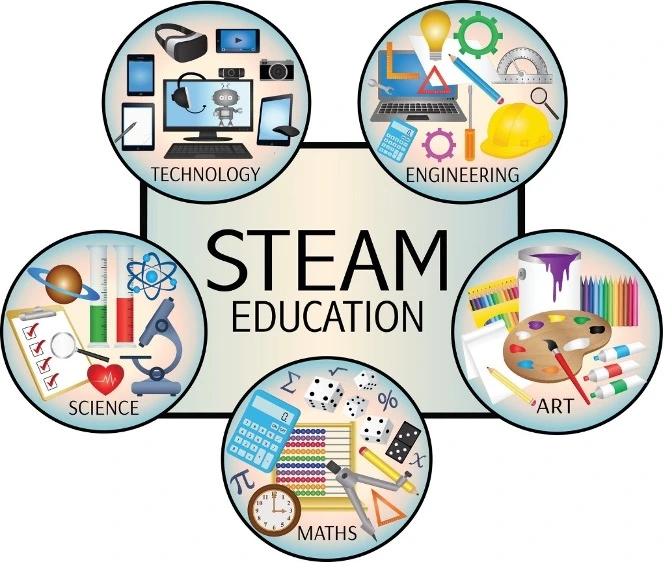
Description: Students begin to see the bridges between subjects. With guidance, they start applying their foundational skills to solve multi-faceted problems (e.g., using Math to calculate the structural integrity of an Art project).
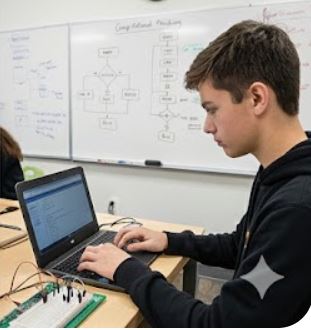
Maker
Description: The graduate level. Students are now capable of identifying a complex problem and independently selecting and integrating the right STEAM disciplines to create a unique, high-level solution.
What make us different from coding class
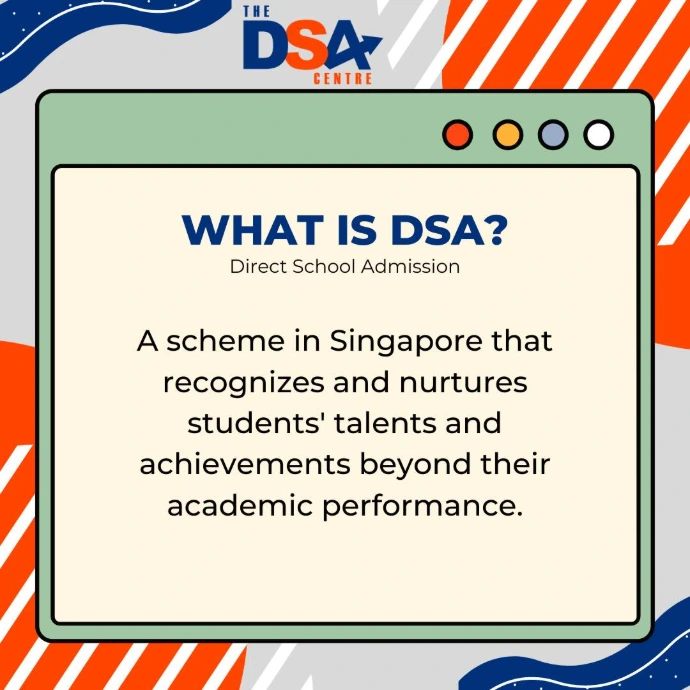
DSA selection has multiple factors that are beyond our control (eg self-confidence level, communication skills, selection of schools, academic grades etc)
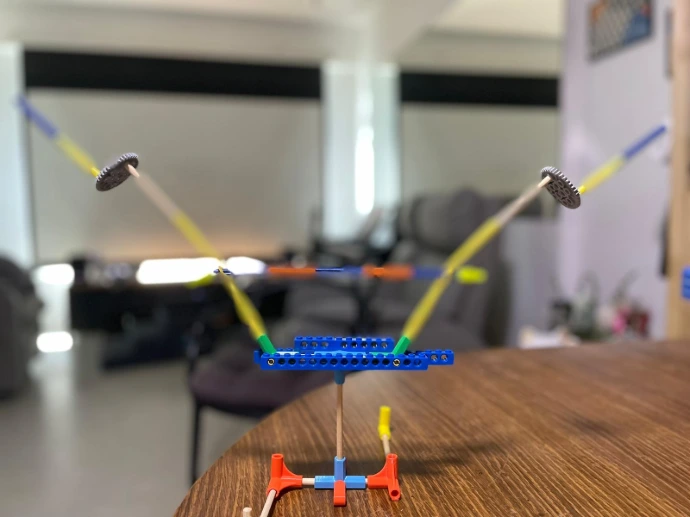
What set us apart from Robotics centers
Our Offers
"We provide a dynamic space where curiosity meets creation. Through our diverse range of hands-on experiences and classes, we empower makers of all levels to explore the unknown, think beyond traditional boundaries, and master the art of collaborative problem-solving. Whether you're here to learn a new skill or build a bold new project, we provide the tools and the community to help you make it happen."
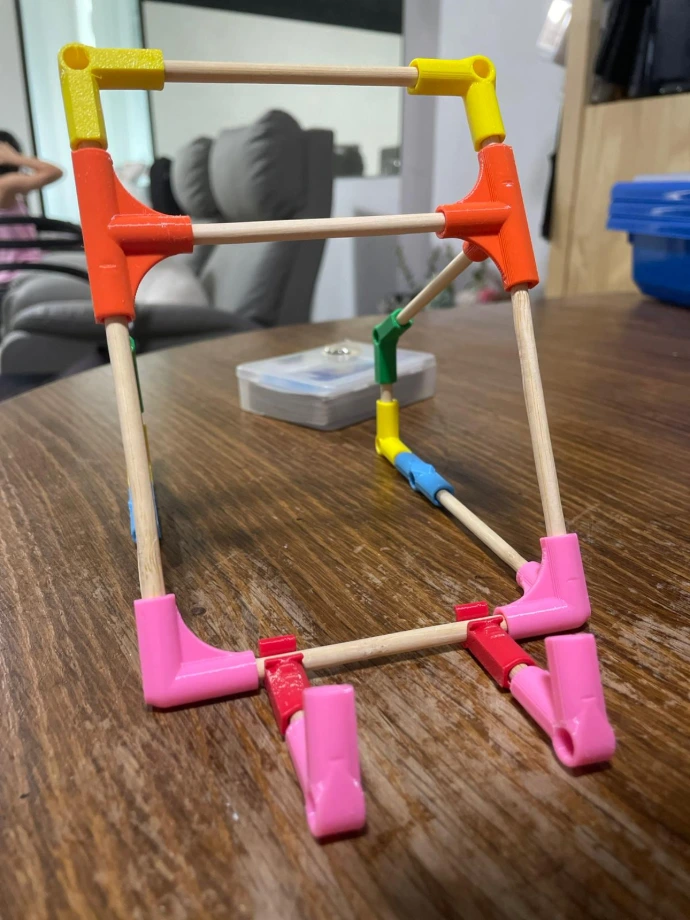
Maker’s Playground:
$24 per hour for ad-hoc walk-in price; $19 per hour for pre-booked sessions. Come and play to gauge interest with no commitments or pressure to sign up or make any purchases.
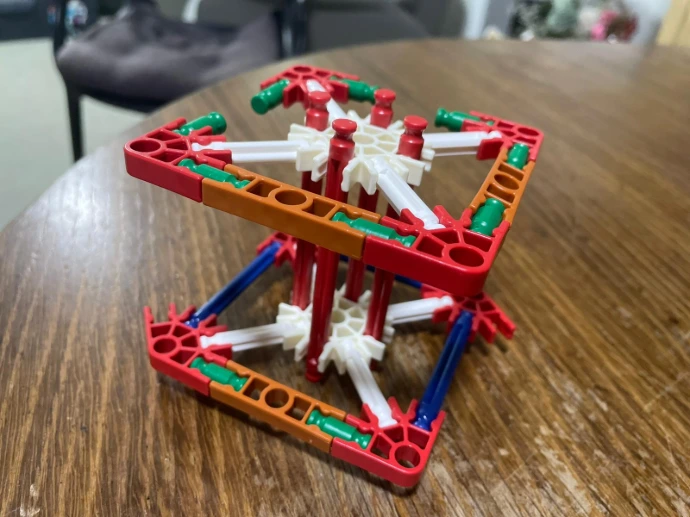
Maker’s Space:
Won’t be launching yet, but will be priced lower for those who don’t want to continue with Academy but still want to use the equipment in the facility to make their own things.
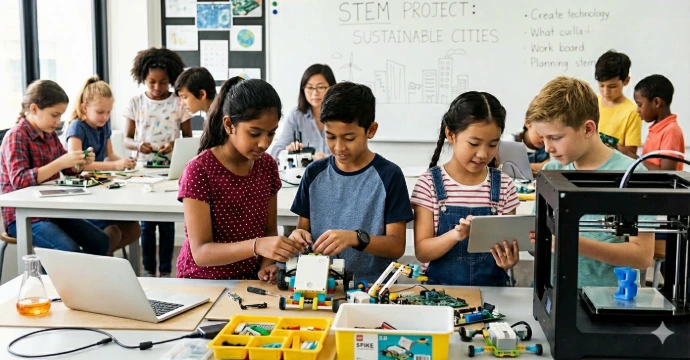
Maker’s Academy:
$320 per month, each term is 12 weeks, coinciding with calendar quarter (starting April). Showcase on week 13, no attendance required. Students get to bring home completed projects. Self-paced, but guided learning. For students who don’t just want to play, but are interested to learn more in-depth to make their own creations.
The 10 year Plan
Focus: Building foundational self-efficacy and creative confidence.
By the end of the 10-year journey, students have evolved from passive learners into independent makers.